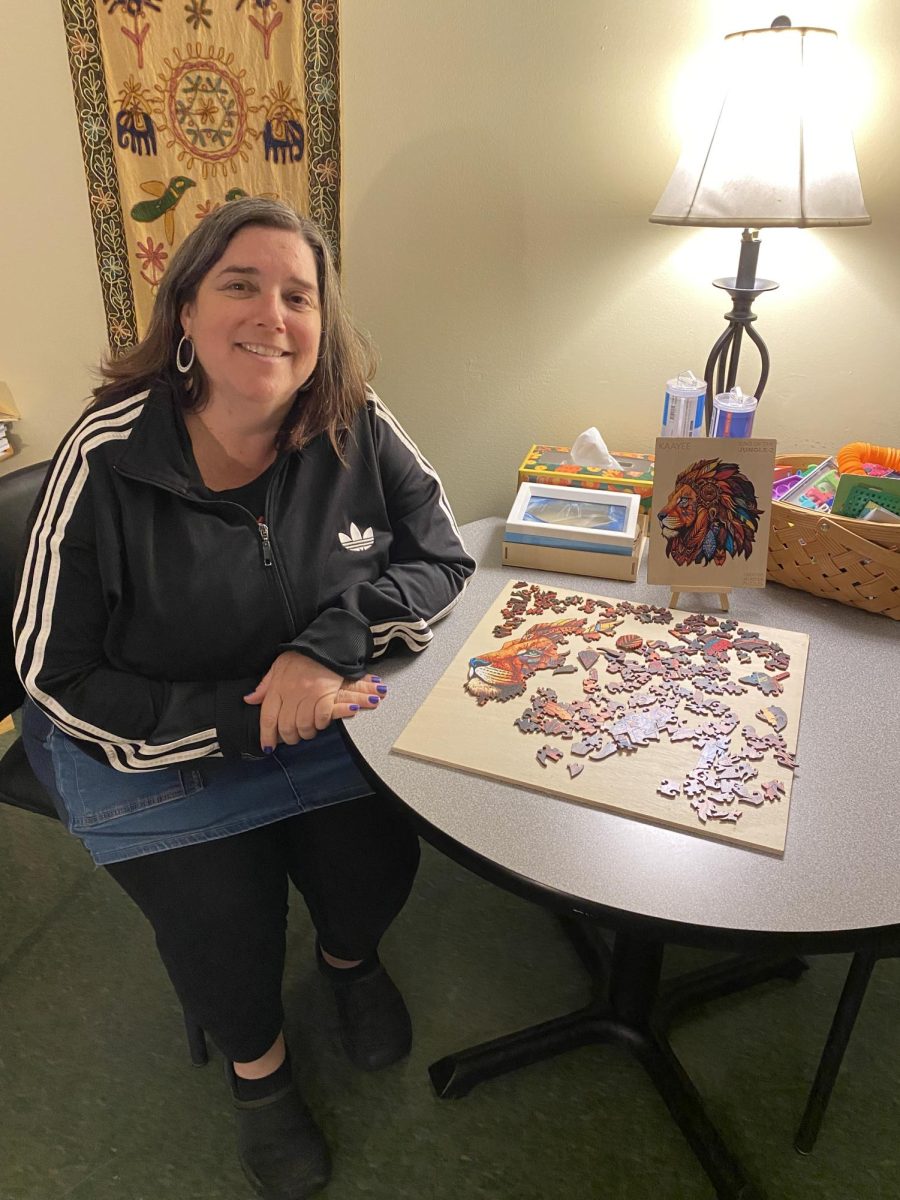
“Public education to me, and I say this all the time, is the cornerstone of our democracy,” said Flor Diaz- Smith, chair of the school board. The school budget is calculated using the long term weighted average daily membership. This weighs the amount that each individual student will cost and then the state pays a certain amount for each student.
Superintendent, Steven Dellinger-Pate says “we’re funded based upon our number of students and those student needs. We take that money, and we distribute it to the schools and to what we call centralized services, and we try to balance out how much money we send to each.” These centralized services are all things non-classroom like special education, building and grounds, transportation, food services.
For every draft of the budget, the school board votes based on their financial and programmatic goals. Flor stated, “the parameters that we set this year and every year are always based on equity so that every student receives the resources and education opportunities they need to learn and thrive.”
There is always one biggest driving force for the development of the budget and that is student enrollment. “Fewer kids means fewer dollars, and fewer dollars means we have to change our programs and how we spend our money,” said Steven. Unfortunately, lower student enrollment is clashing with inflating prices of insurance and other materials.
Former U-32 teacher and community member on the configuration committee, Daisy Scarzello shared her opinion on budget cuts, “my feeling is always that as long as the budget cuts are made from a student centered perspective, I understand the necessity. I think it’s sad and hard and emotionally draining for staff and teachers when we know budget cuts are coming. I think it’s difficult, but I also think difficult decisions have to be made for the benefit of students and the long term goals of the district.”
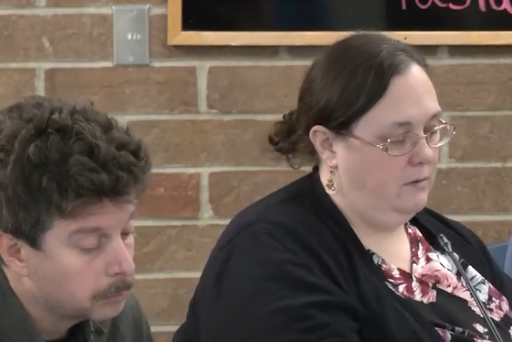
Daniel Keeney, a school board representative stated, “I think it’s an 8% increase in spending and, unfortunately, a lot of those factors are out of our control.” The district is in a difficult position this year because there are cuts to state funding due to enrollment drops and the prices for other things have greatly increased. Daniel continued, “your enrollment is actually significantly lower than it used to be, and therefore, the spending per student is considerably higher.”
Based on the reduced student enrollment and higher costs, the cuts to staff members are going to be significant in either budget. Steven stated, “there are certainly reductions in force, across the district. So meeting fewer students, higher costs, and personnel are the greatest cost within any budget. So if you’re reducing, a large reduction in a budget will require us to reduce the number of overall people.”
According to Steven during the budget panel hosted by Student Council, the total number of staff cut with a five school budget will be twenty and with a three school configuration, the number will be dropped to fifteen to eighteen.
With a decrease in students, one controversial issue that has arisen is the possibility of consolidation. The five elementary school districts would shrink to three. Doty and Rumney would combine, along with East Montpelier and Calais merging. “I’ve been just calling this the chicken and egg problem that we have. So configuration informs our budget process, and our budget process informs configuration,” said Steven.
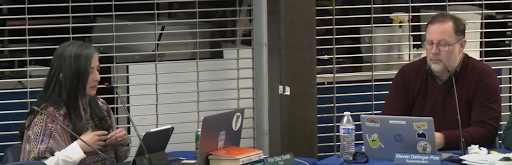
This change is not just in this district, instead it is state and even country wide, “we are in the midst of an education transformation in the state,” said Flor. Across the nation there is currently a decrease in enrollment and that is shifting many school districts.
Configuration talks have been happening for some time, Flor says, “we did a lot of work for two years with the community on core beliefs and coming up with a strategic plan, it was more than a year and a half doing that work.”
There is a lot of opposition surrounding configuration talks and the fears of closing two of the elementary schools. Many people who live in Calais and Worcester fear that they would be losing their town center with the closing of their school.
Daisy says “I think people fear change because change is hard and ugly and never goes as smoothly as you want and can never be planned as well as you want, but we get through it. And if we go with a positive perspective of this is just gonna make us richer in ways to come together, then I think it’s a positive.”
While these talks have been happening for a long time, concrete steps have been taken in recent months to gain a lot of valuable community input. Daniel says, “that feedback was really productive. It’s not as if there was universal approval of this. In fact in the towns where the school facilities are gonna close, there is significant negative feedback.” Though it wasn’t all positive, it was necessary feedback that the board is now taking into consideration for the budget.
Sometimes it is important to take time and to simply listen. “It wasn’t a solution in itself, but it was something that had to happen. People need to have an opportunity to express their viewpoint on something before the board takes action,” Daniel said.
Steven is even taking the feedback a step further and putting together a sheet of frequently asked questions so that the different communities can feel the most informed about the decision that they make. The community informed the school board and now the board and the administration are informing the community.
Daniel stated “the listening sessions were democracy in action.” Daisy adds, “it’s important to me to listen to the whole community. It’s important to me to hear the perspectives from everyone.”
There are many individuals who vote to make the configuration and budget decisions this year. “We represent a broad constituency of citizens,” said Flor. Daisy expanded on this idea stating, “It was always on the top of my mind when I was teaching, and it’s on the top of my mind now as a community member and a member of the configuration committee. I feel like a big part of my job is to think about the voices we’re not hearing from.”
In addition to community input being heard, student council hosted a budget panel on Monday, December 8th which was made up of Ursula Stanley, a school board member, Steven Dellinger-Pate, superintendent, and Kate McCann, a state representative and U-32 math teacher. They answered any and all student questions during the thirty five minute period.
Furthermore, Lei DeGroot, a U-32 senior and student school board representative sent out a budget survey to gather student opinion whose information was presented to the school board on December 17. Lei learned that many students care deeply about their AP classes, with just over seventy six percent of survey takers saying that APs were important to academic goals. Lei said, “What they see as their step forward into a better future and into potentially going to college or getting a job, they see that those courses are really important to them.”

On Wednesday, December 17, the school board met in a public meeting to decide whether or not to close Doty and Calais elementary schools. It was a heated debate with many community members coming out to speak for and against the closure. In the end, the school board voted in favor of closing the school in a close 8-5 vote. There was then a near unanimous vote from the board to send the budget to the towns of Worcester and Calais on February 10.
The U-32 community must decide what is important. The decision is ultimately in the hands of the constituents. Flor said, “I think we’re here for our communities and we’re here most importantly for our students and we are building community. You can’t do school without building community…we have to fund our values, we have to find a way to fund what we believe in.”